

It could do the reading for you.
Assistants, agents and retrieval systems that read, sort and draft, so your people decide instead of dig.
- 3 risks found
- Auto-renews, 60-day notice
- Liability capped at fees
- Data kept for 7 years
p.4p.12p.31

Assistants, agents and retrieval systems that read, sort and draft, so your people decide instead of dig.
A working first version in weeks, on a foundation you won’t have to throw away when it takes off.
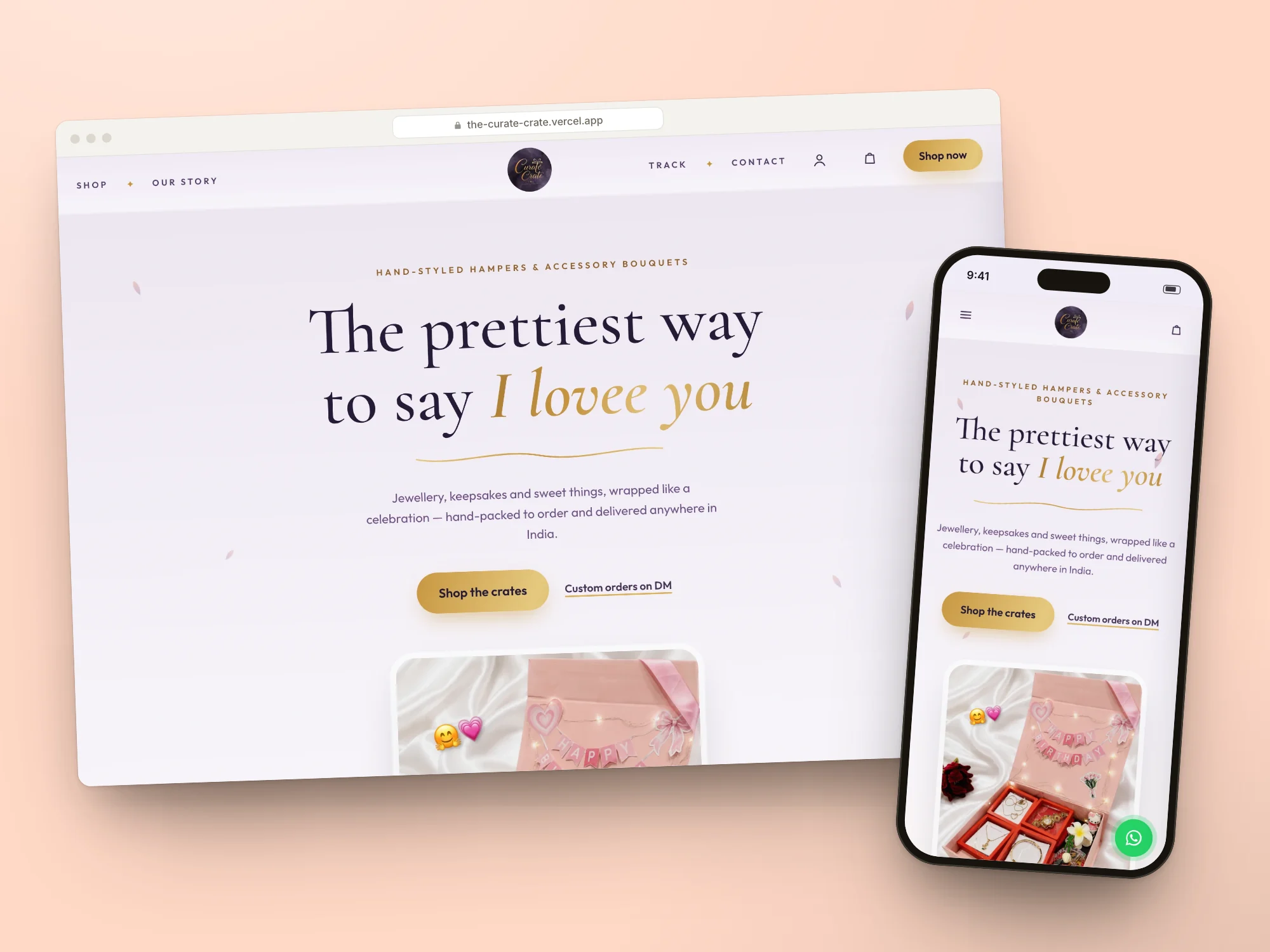
Storefronts, platforms and internal tools that look like you and still work at two in the morning.
Audits, penetration tests and secure-by-design architecture, led by a Certified Ethical Hacker.
Rejected · tampered
Pipelines, models and dashboards that turn what you already collect into what happens next.
Smart contracts and ledgers for records that have to be trusted by people who don’t trust each other.
[ Selected work ]
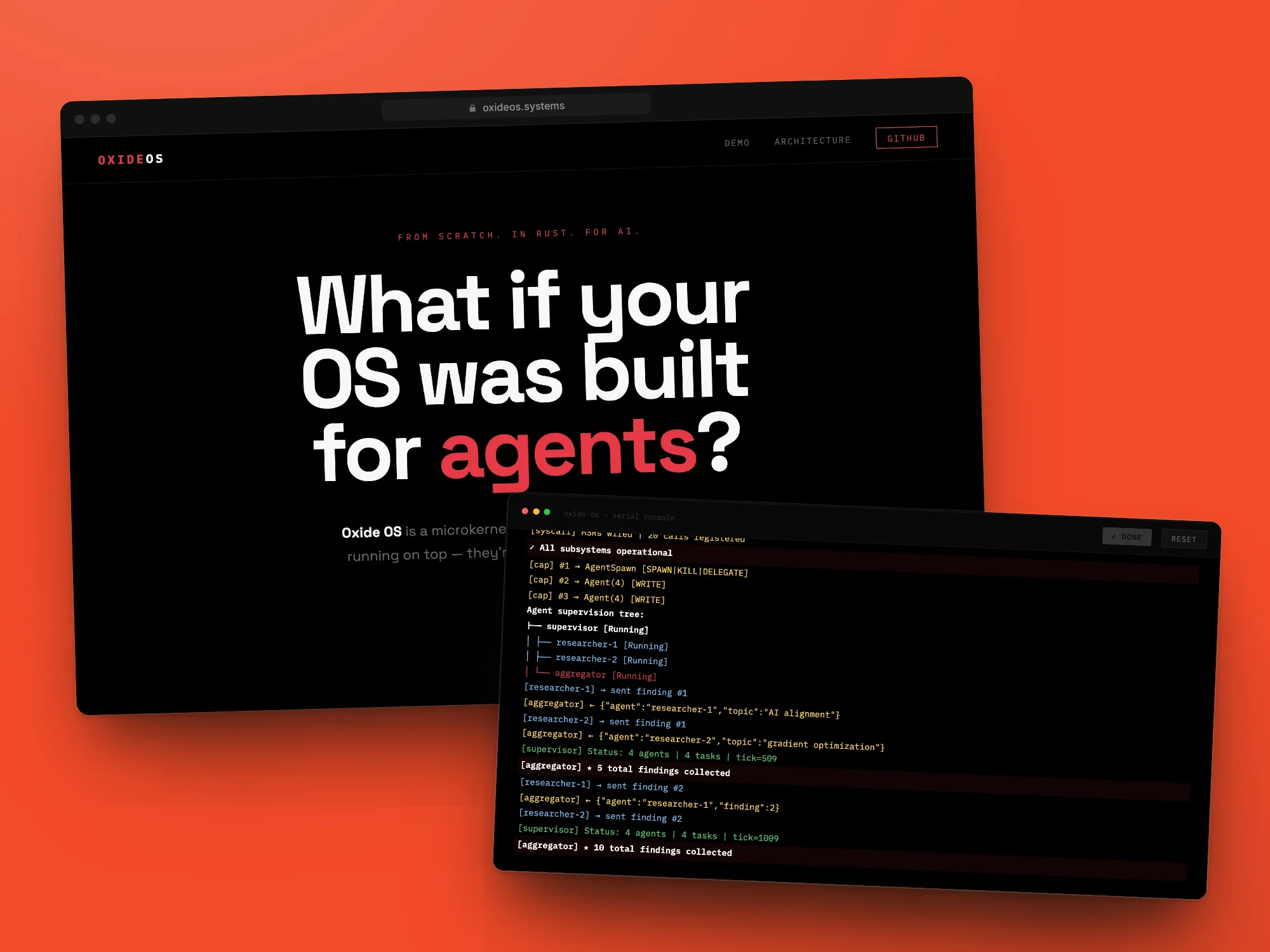
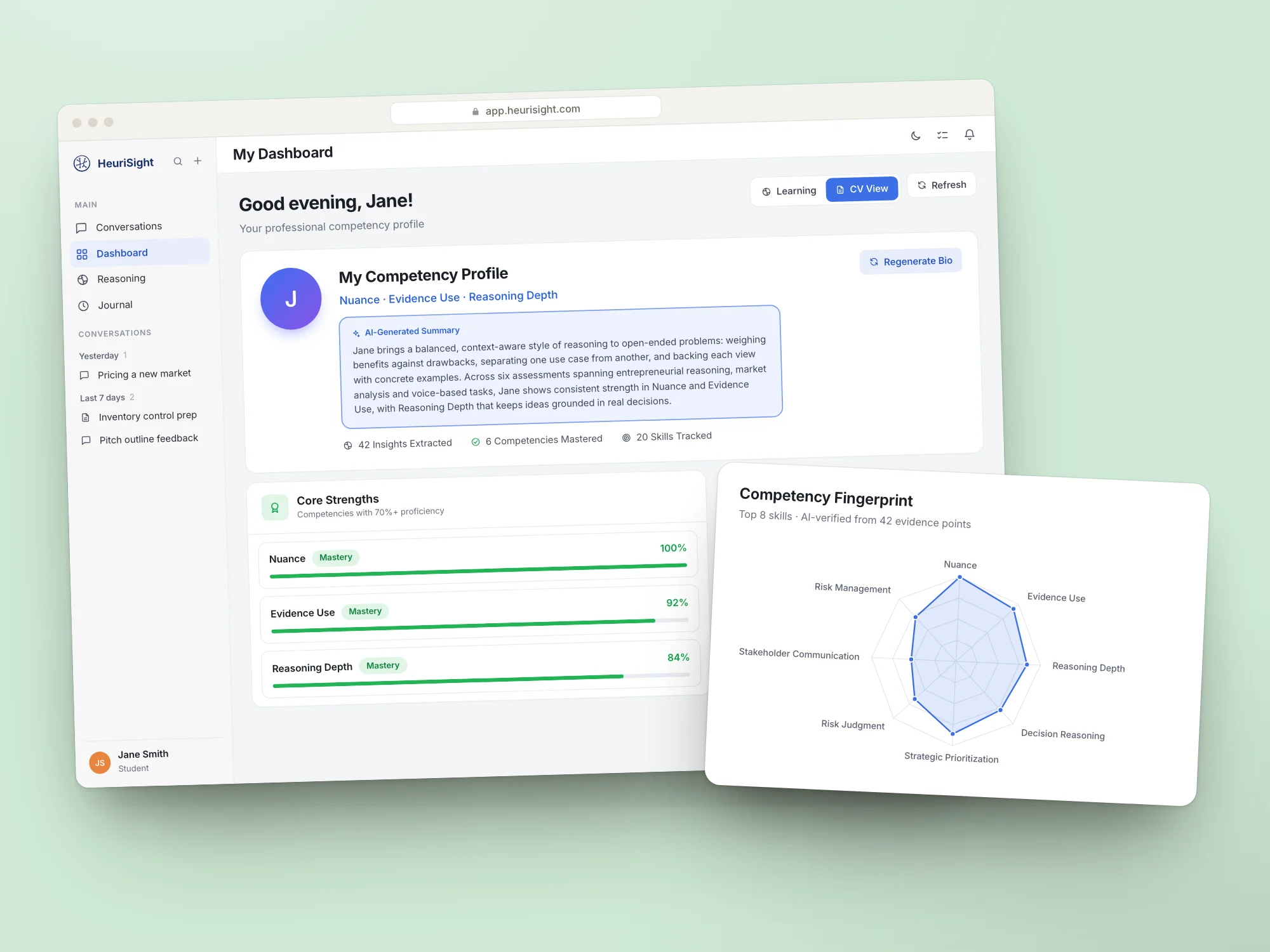
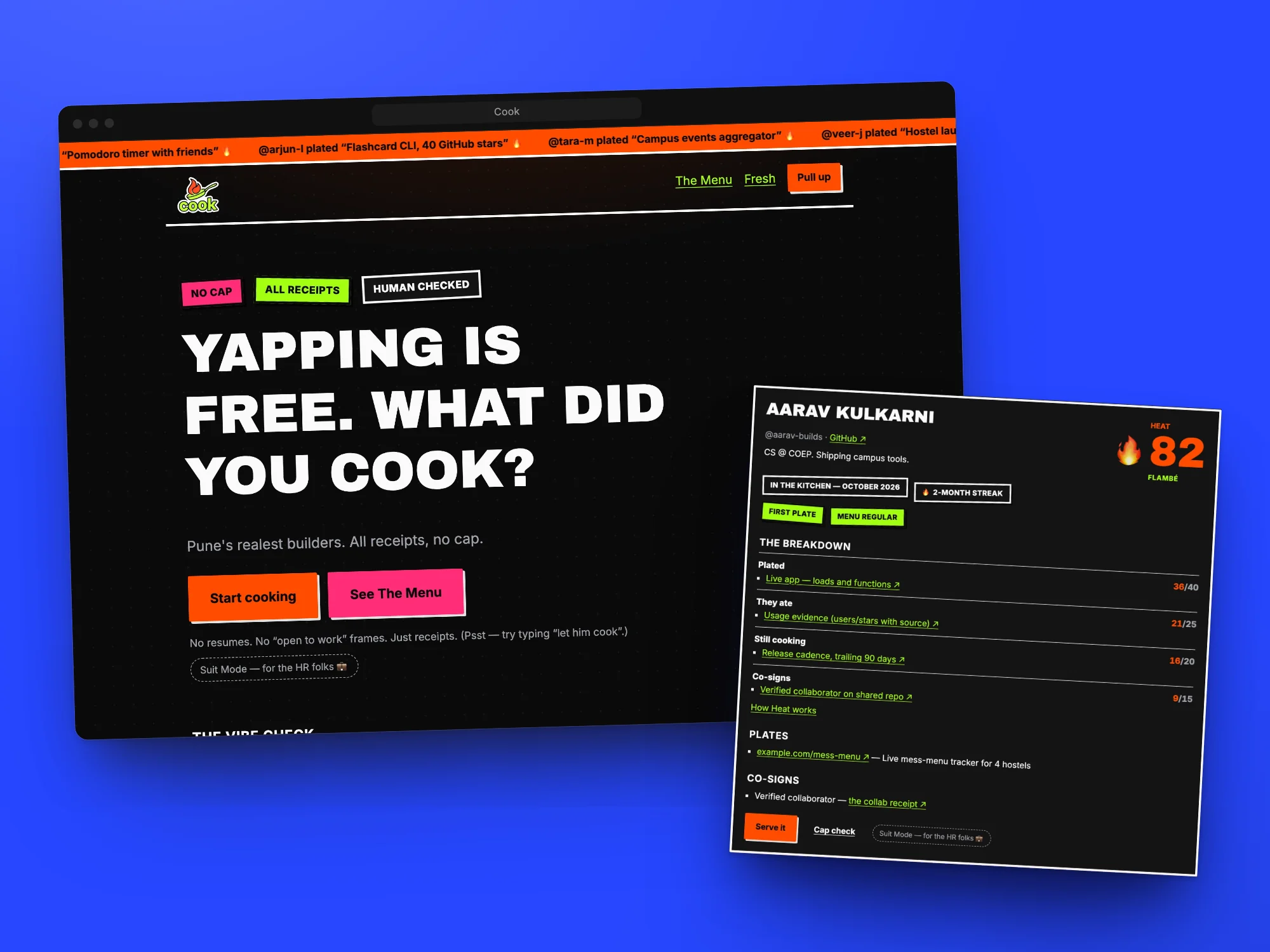
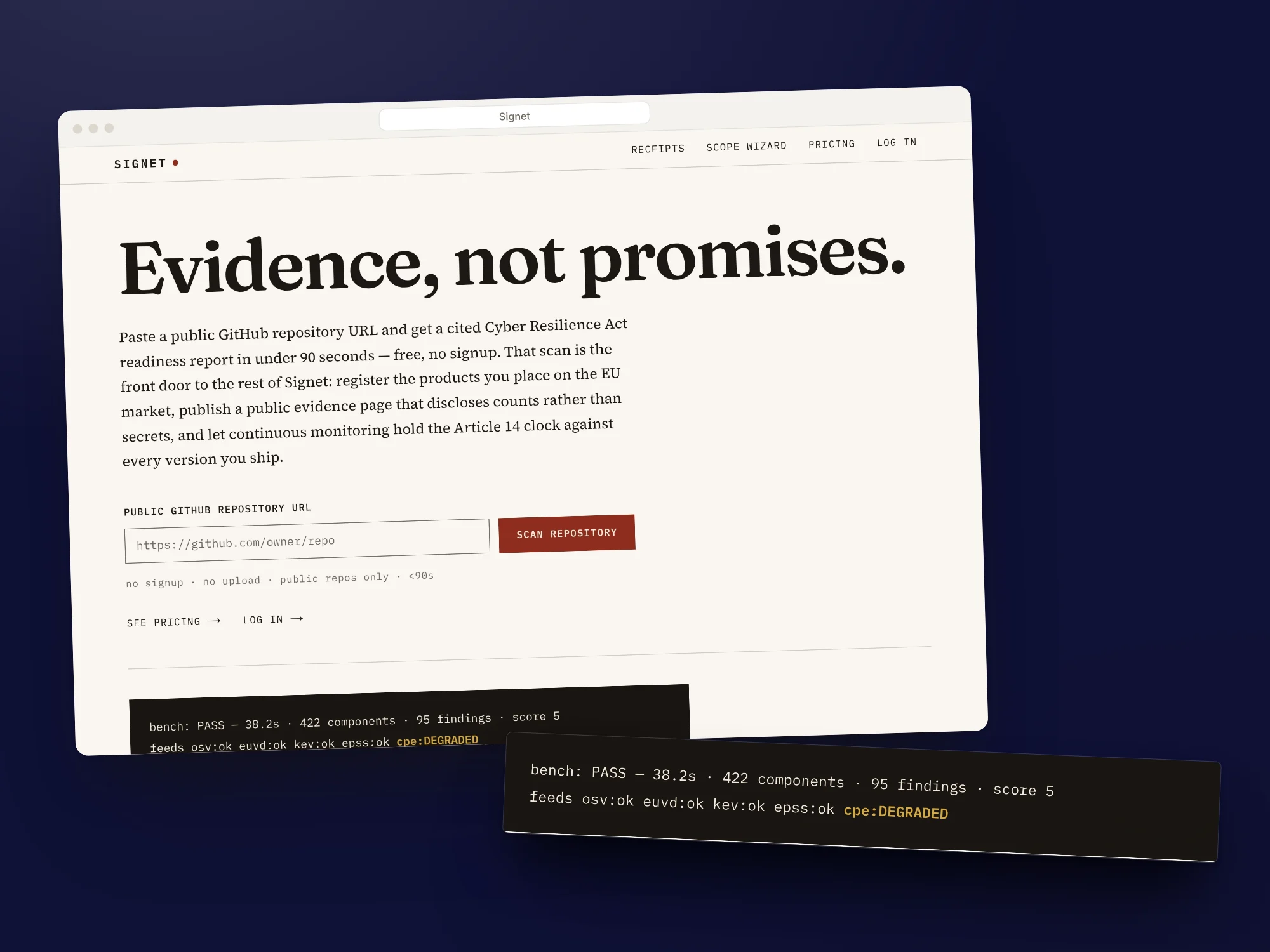
Everything below is real: captures, code and marks from things we’ve built.
# pip install inscrape
from inscrape import Inscrape

client = Inscrape("sk_your_token_here")

# Scrape any URL
result = client.scrape("https://example.com")
print(result.content)

# Get Markdown
md = client.markdown("https://example.com")
$ npm i -g @gkganesh12/codecraft-cli
$ codecraft init
$ codecraft
› /plan  scope the change
› /code  write inside the guard
› /verify check it against the rules
$ brew install gkganesh12/tap/gk-stack
$ gk-stack init
$ claude -p "/ship"
Tests  1 failed | 4579 passed
› Stopping here. I won’t commit
  or push broken code.
# POST /api/v1/documents
{
  "evaluator": "citation_existence",
  "severity": "CRITICAL",
  "confidence": 0.95,
  "explanation": "Citation '123 F.3d 456
    (9th Cir. 2019)' does not match any
    opinion in CourtListener."
}
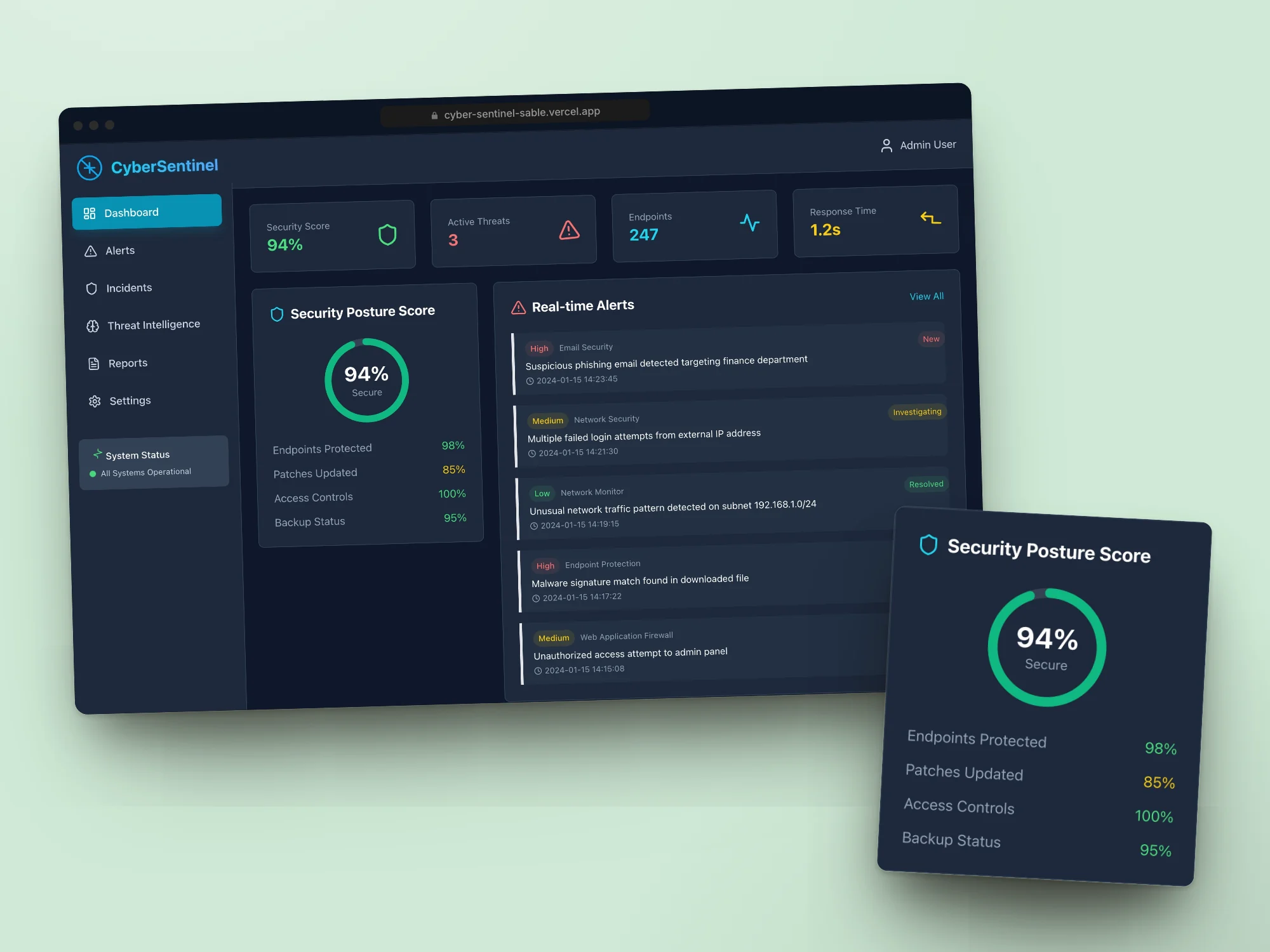

you    scan 10.10.10.5 and find vulnerabilities
agent  runs nmap -sV -sC
       → finds Apache 2.4.49
       → looks up CVE-2021-41773 (CVSS 9.8)
       → stores finding in knowledge graph
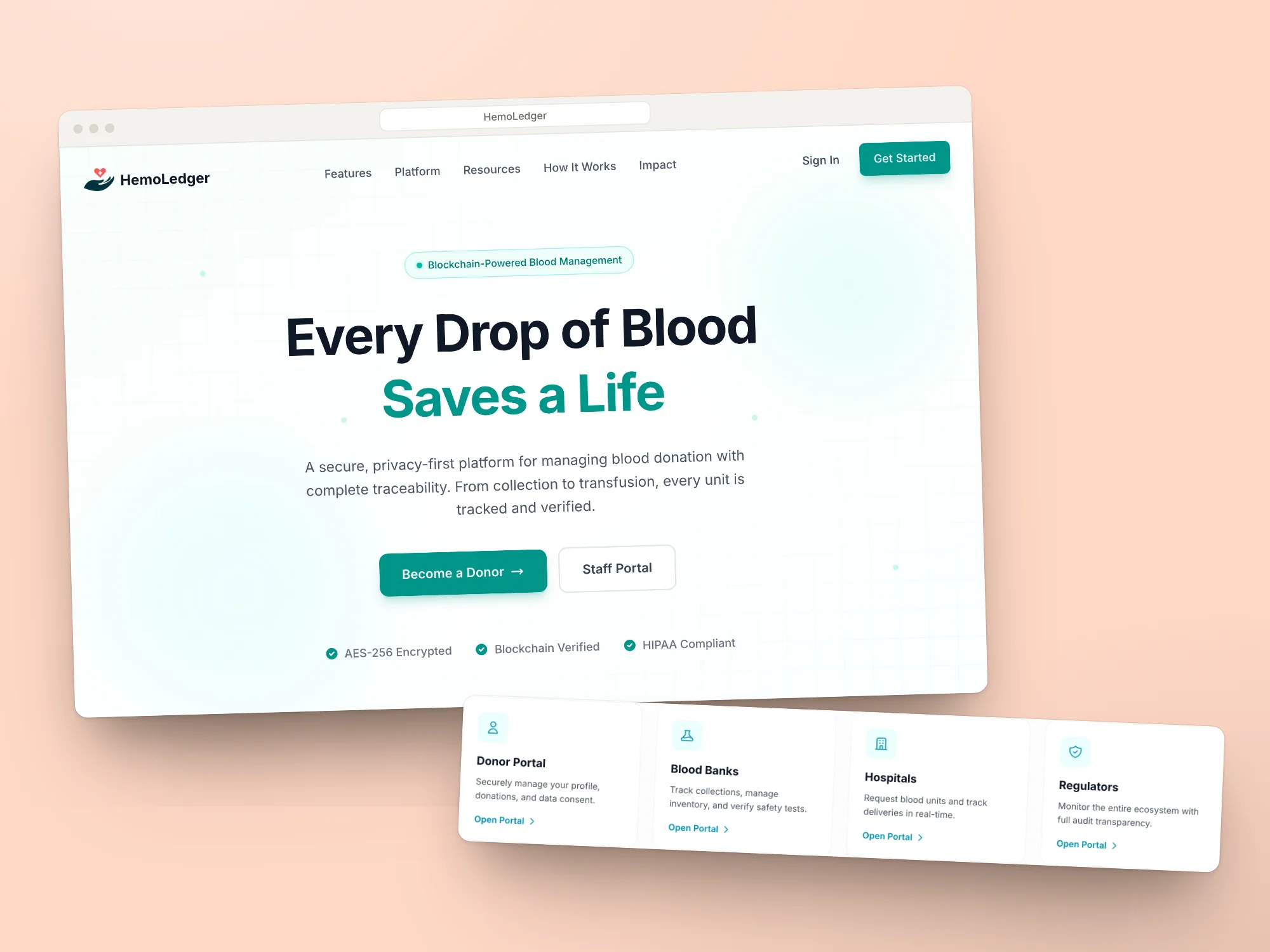
from model_train import PrivacyPreservingCTGAN

# CTGAN trained with DP-SGD (Opacus)
model = PrivacyPreservingCTGAN(
  use_dp=True, epsilon=1.0, delta=1e-5
)
metrics = model.train(df)
print(metrics["epsilon"])  # privacy spent
The Uncovering · studio still-life series
[ How we build ]
Move your cursor. The lens shows what’s running behind each screen. We design the part you see and engineer the part you don’t.
Underneath: products, stock, orders and accounts modelled so nothing gets lost between the cart and the courier.

model Product {
  id        String  @id
  name      String
  slug      String  @unique
  priceInr  Int
  mrpInr    Int?
  category  String
  occasions String
  featured  Boolean
  stock     Int?
  orderItems OrderItem[]
  reviews    Review[]
}
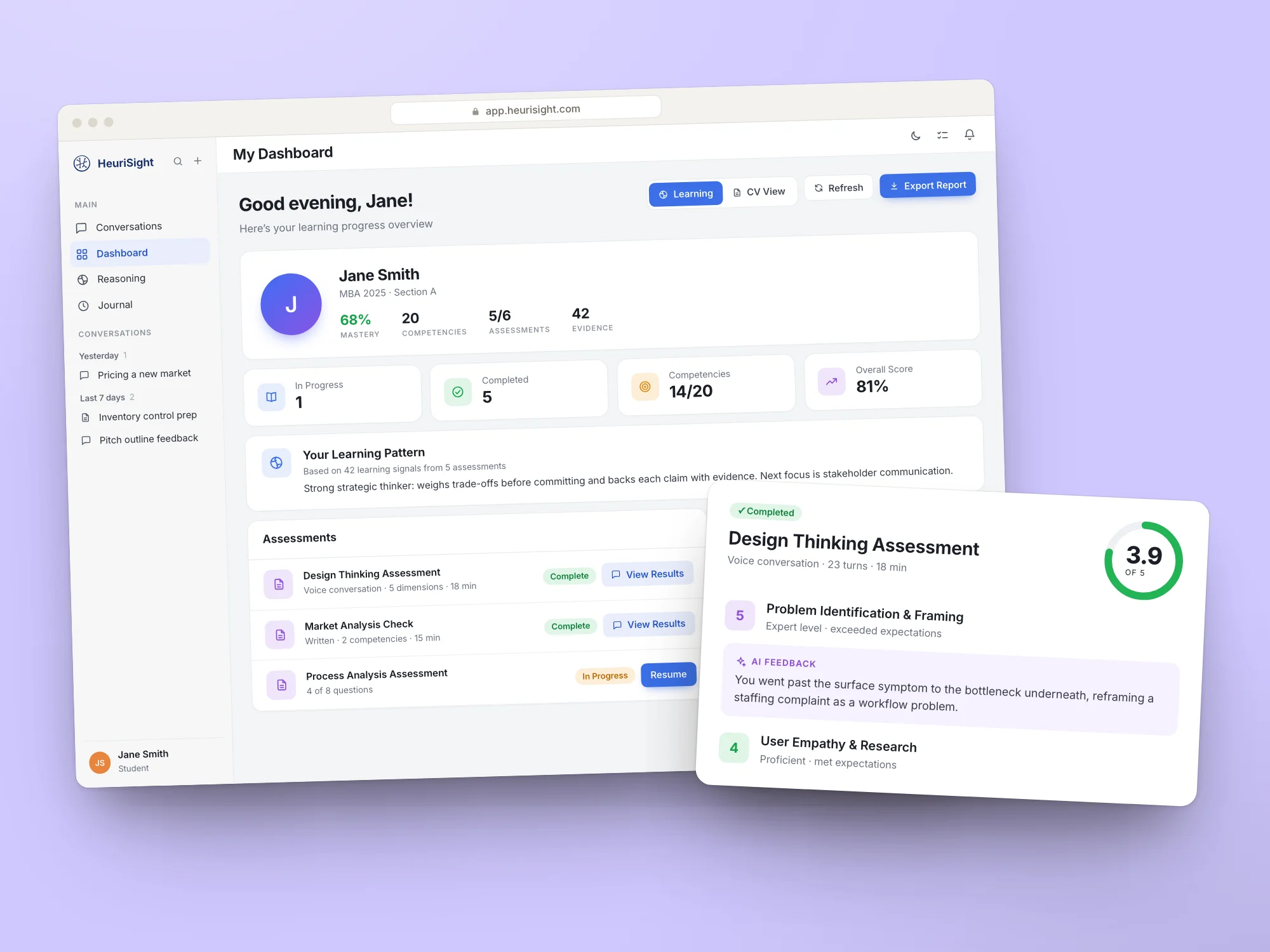
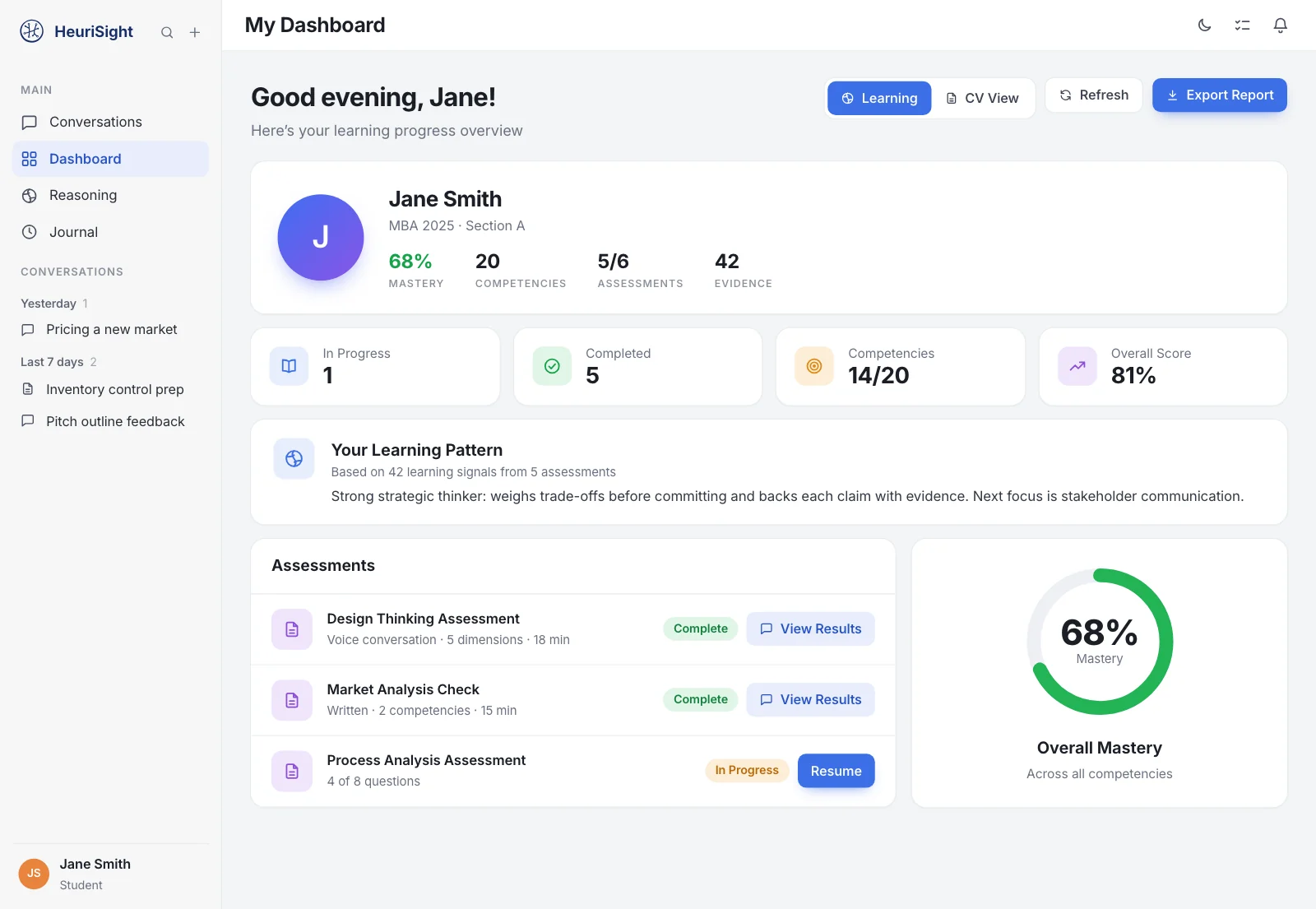
Underneath: two engines, retrieval and heuristics, mapping every conversation to a competency framework.
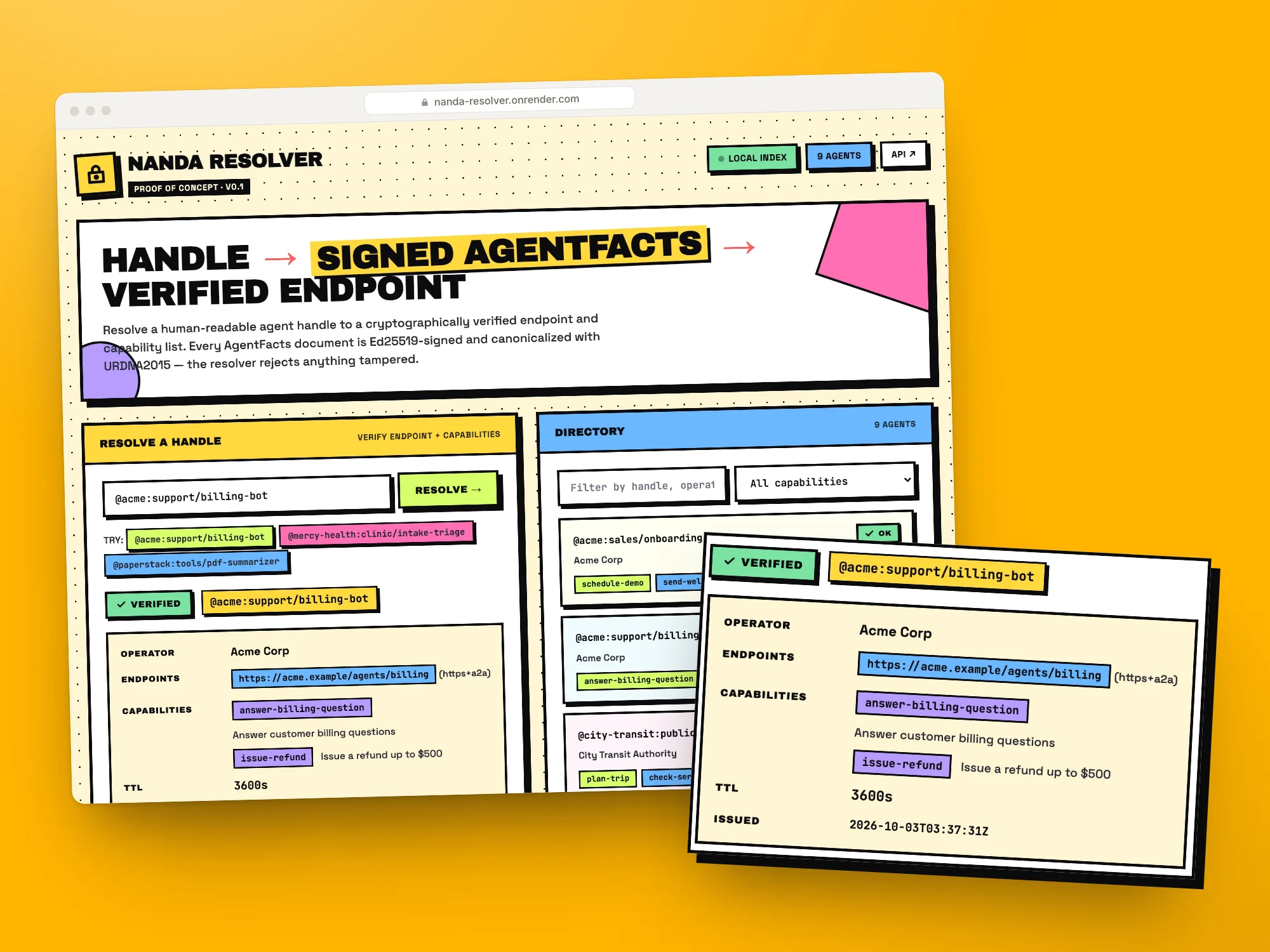
Underneath: every record is signed, canonicalised and checked. A tampered document is rejected, on screen, in real time.
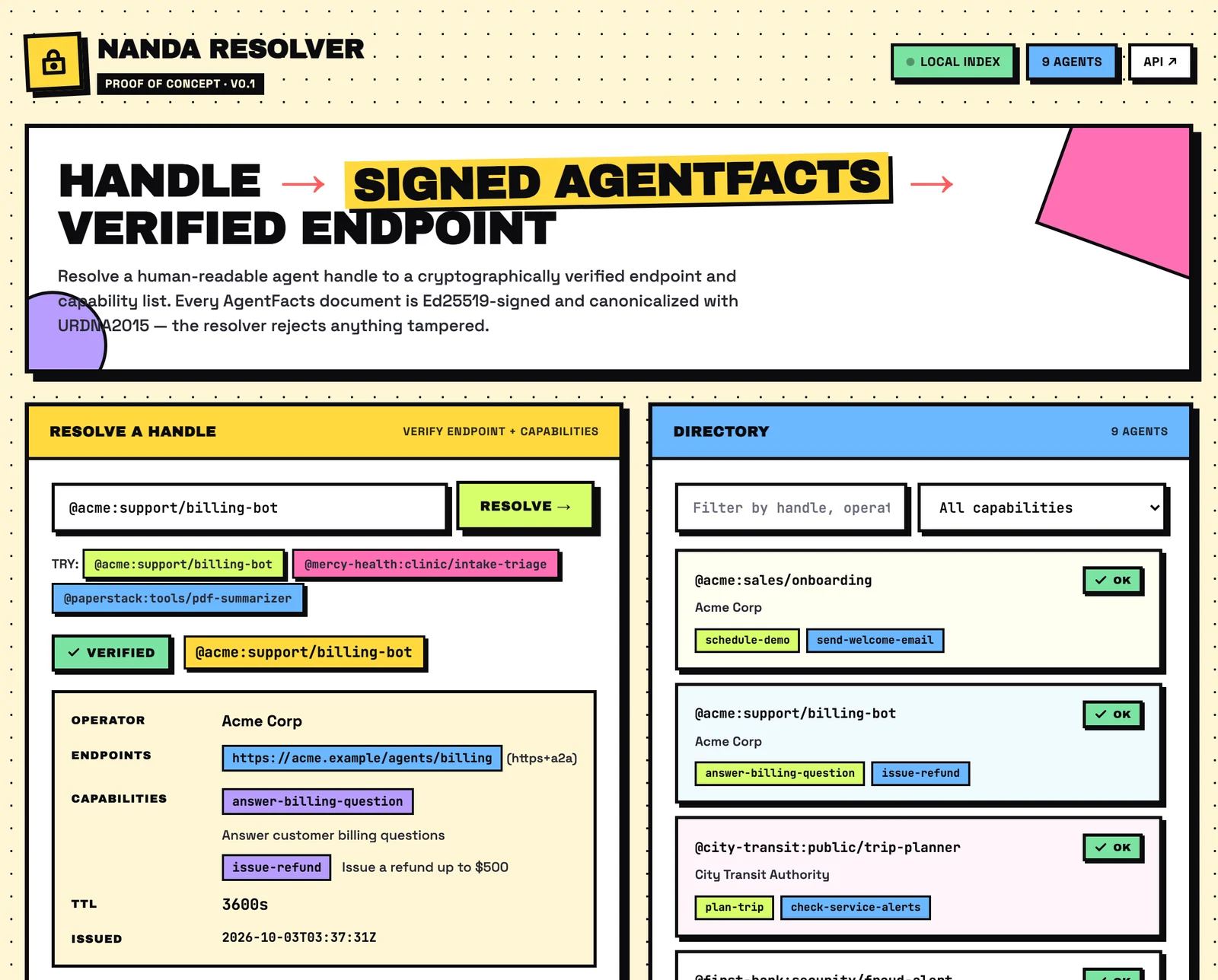
def verify_agent_facts(doc, key):
  proof = doc.get("proof")
  if proof["verificationKey"] != key:
    raise VerificationError(…)

  body = copy.deepcopy(doc)
  body.pop("proof", None)

  try:
    VerifyKey(pub).verify(
      _digest(body), sig)
  except BadSignatureError:
    raise VerificationError(…)
[ What we bring ]

[ What we believe ]
Most studios are good at one. You need both in the same room, arguing early, so the thing that looks right also works right. That’s the whole studio.
One last thing, about the name.
a·le·thei·a / ἀλήθεια /
noun, Greek. Truth. Literally “un-hidden”: the state of a thing when nothing about it is concealed.
It’s how we work. You see what we’re building, what it costs and what’s left, every week, without having to ask.


